
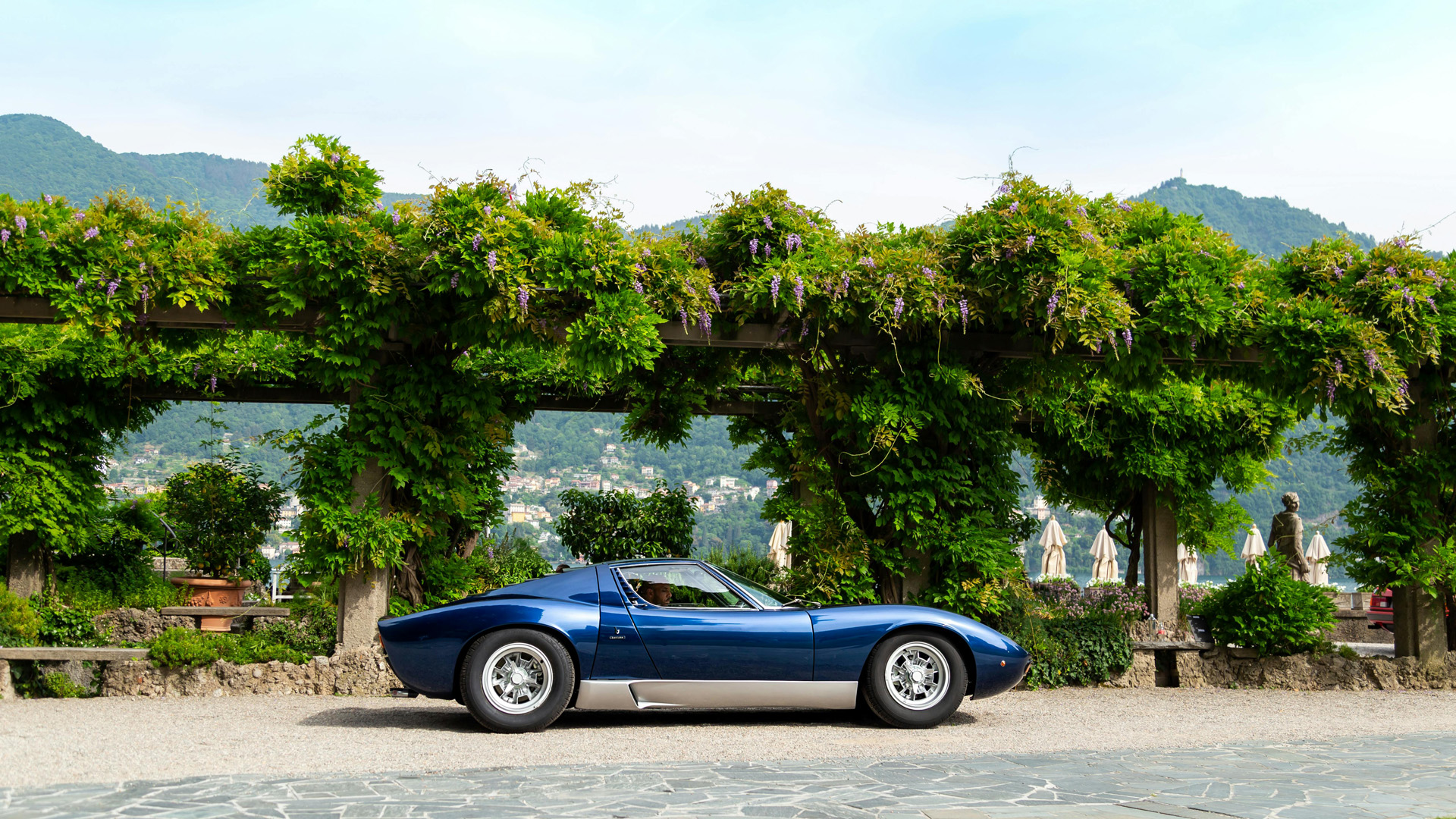
Preparing Your Car for the Road After Winter — and Why How It Was Stored Changes Everything
As winter gives way to longer days and brighter mornings,many owners turn their attention to cars that have been laid up over the coldermonths. Spring is the season of momentum and renewal — but for vehicles, thetransition back to the road can either be seamless or surprisingly costly.
The deciding factor is not the car itself. It is how — and where — it has been stored.
At Birch, spring recommissioning is designed to beuneventful. For cars stored elsewhere, particularly in domestic garages, barnsor improvised facilities, spring can expose months of unseen deterioration.
This contrast sits at the heart of what Birch exists to address.

When Storage Is Poor, Spring Reveals the Damage
Cars that have spent winter in unstable environments oftenshow problems the moment attention returns to them. Moisture is usually the underlying cause. Even without visible leaks or flooding, condensation forms where temperatures fluctuate and air flow is inconsistent.
Over time, this affects mechanical components, electrical systems, interiors and finishes. Flat batteries that refuse to recover, tyres with permanent flat spots, binding brakes, warning lights triggered by damp-sensitive sensors — these are common symptoms, not edge cases.
Interiors often suffer quietly. Leather dries and cracks,carpets retain moisture, seals harden. Fuel degrades. Fluids absorb water. Mould grows. Smells brew. Corrosion begins in places the owner never sees until the car is used again.
Birch’s Commercial Director, Tom Chilton explains why theseproblems are so widespread:
“Most spring issues don’t suddenly appear — they’ve been developing all winter. Cars don’t like instability. Temperature swings and moisture do more long-term harm than mileage ever will.”
What should be a simple return to driving becomes a cycle of inspections, remedial work and delays. Spring enthusiasm gives way to caution.
.jpg)
When a Car Has Been Stored at Birch, Spring Is Straightforward
Cars stored at Birch emerge from winter fundamentally unchanged from the day they arrived. This is not chance. It is the result ofdeliberate systems, continuous oversight and an environment engineeredspecifically for long-term automotive custody.
Birch’s climate-monitored storage minimises temperature fluctuation and manages humidity without sealing cars inside capsules that can trap residual moisture. Vehicles are stored clean, dry and documented, with condition recorded at check-in and preserved throughout their stay.
Lee Sullivan, General Manager at Birch, frames it clearly:
“Our objective is simple — spring should not be a moment of discovery. If acar has been stored correctly, nothing should come as a surprise. It should beexactly as it was left, ready to be enjoyed.”
Because batteries are maintained, tyres supported correctly and interiors protected from moisture, spring recommissioning becomes confirmation rather than correction.
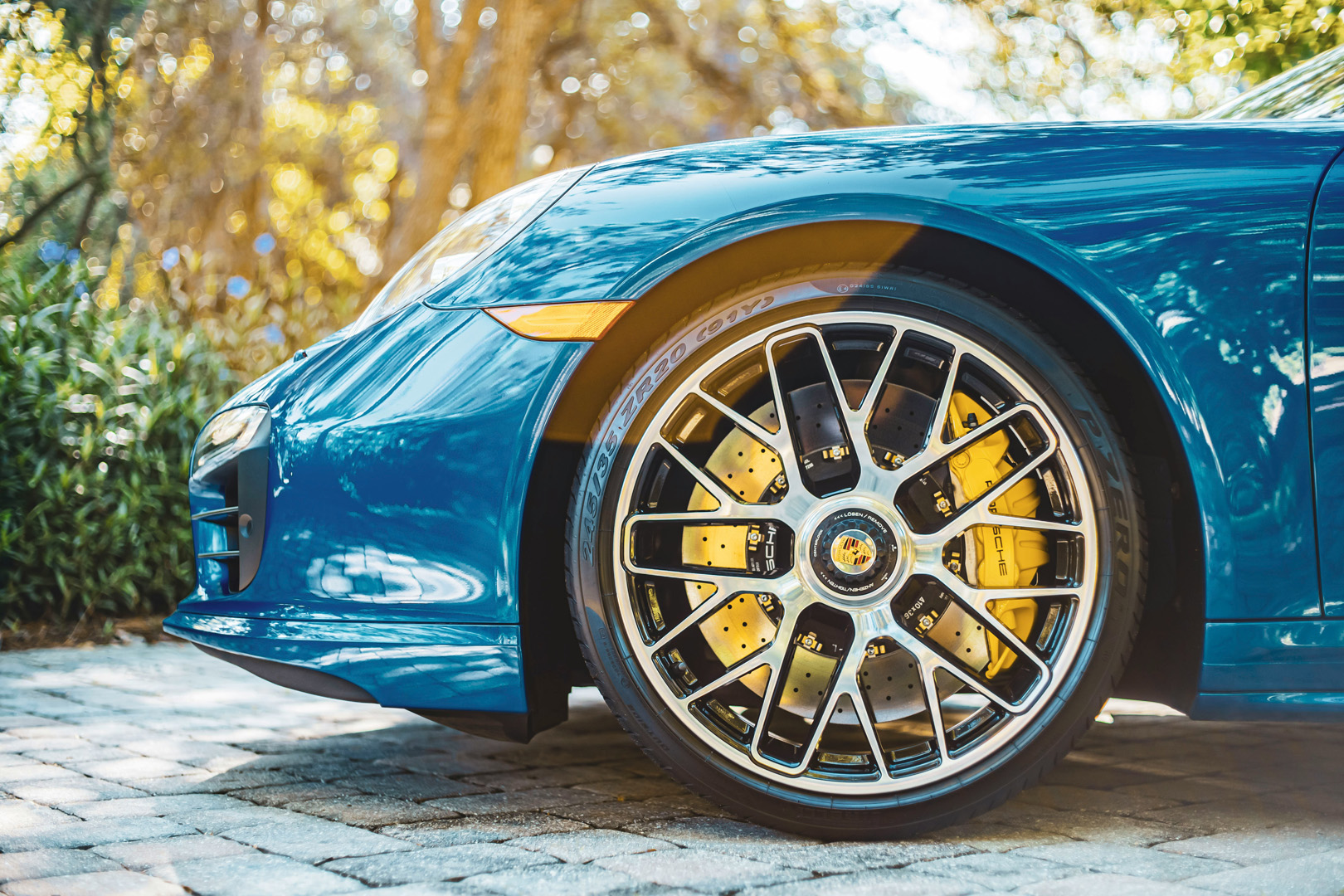
The Spring Wake-Up: Confirmation, Not Recovery
Regardless of whether a car is a pre-war classic, a modern supercar or a competition vehicle, spring preparation follows the same fundamentals. The difference lies in how many of those steps uncover issues.
A visual inspection confirms tyres are correctly pressurised and free from deformation. Fluids are checked for level and condition. A measured warm-up allows oil to circulate properly. Brakes are brought back intouse progressively. Electronics are verified calmly, not rushed.
Zaak Andrews highlights why Birch clients experience thisdifferently:
“When a car comes out of storage here, you’re not undoing months of neglect.You’re simply re-engaging with something that’s been cared for continuously.That changes the entire experience for the owner.”
Spring becomes a decision, not a repair programme.

Preservation Is Active, Not Passive
One of the most persistent myths around winter storage isthat inactivity equals protection. In reality, deterioration accelerates whencars are left unmanaged. Rubber hardens. Fluids age. Electronics dislike damp.Metal corrodes quietly.
Birch was founded on a single, uncompromising principle: you would not store fine art in a barn and hope for the best. Cars of significancedeserve the same custodianship.
Tom Chilton reinforces that philosophy:
“Cars are assets, but they’re also mechanical and emotional objects. Leavingthem to chance over winter is how problems start. Proper storage isn’t aboutparking — it’s about responsibility.”
That responsibility underpins every aspect of the Birch Standard.
.jpg)
Spring Should Reward Foresight
As the season turns, the question for owners is not simplywhether a car will start — but whether it has been preserved well enough tomake driving it effortless.
At Birch, spring is not about recovery. It is the reward for planning ahead.
Cars leave winter as they entered it: secure, stable and uncompromised. That is the Birch Standard — and it ensures that when spring arrives, the road is waiting.

Storage Services



.jpg)
.jpg)
.jpg)

.jpg)
Storage Services


