
.jpg)

Flooding Isn’t the Only Threat — Environment Matters Too
Floodwater can destroy a vehicle in minutes, but the broader danger comes from the aftereffects of extreme weather: humidity trapped inside enclosed spaces, moisture migrating into seating foam and wiring looms, temperature swings compromising seals and electronics, and condensation repeatedly forming beneath paint and trim.
The everyday environments most vehicle owners rely upon — domestic garages, barns and private workshops — were never designed as long-term preservation solutions. They trap moisture, lack controlled airflow, and provide minimal deterrent against theft or water ingress.
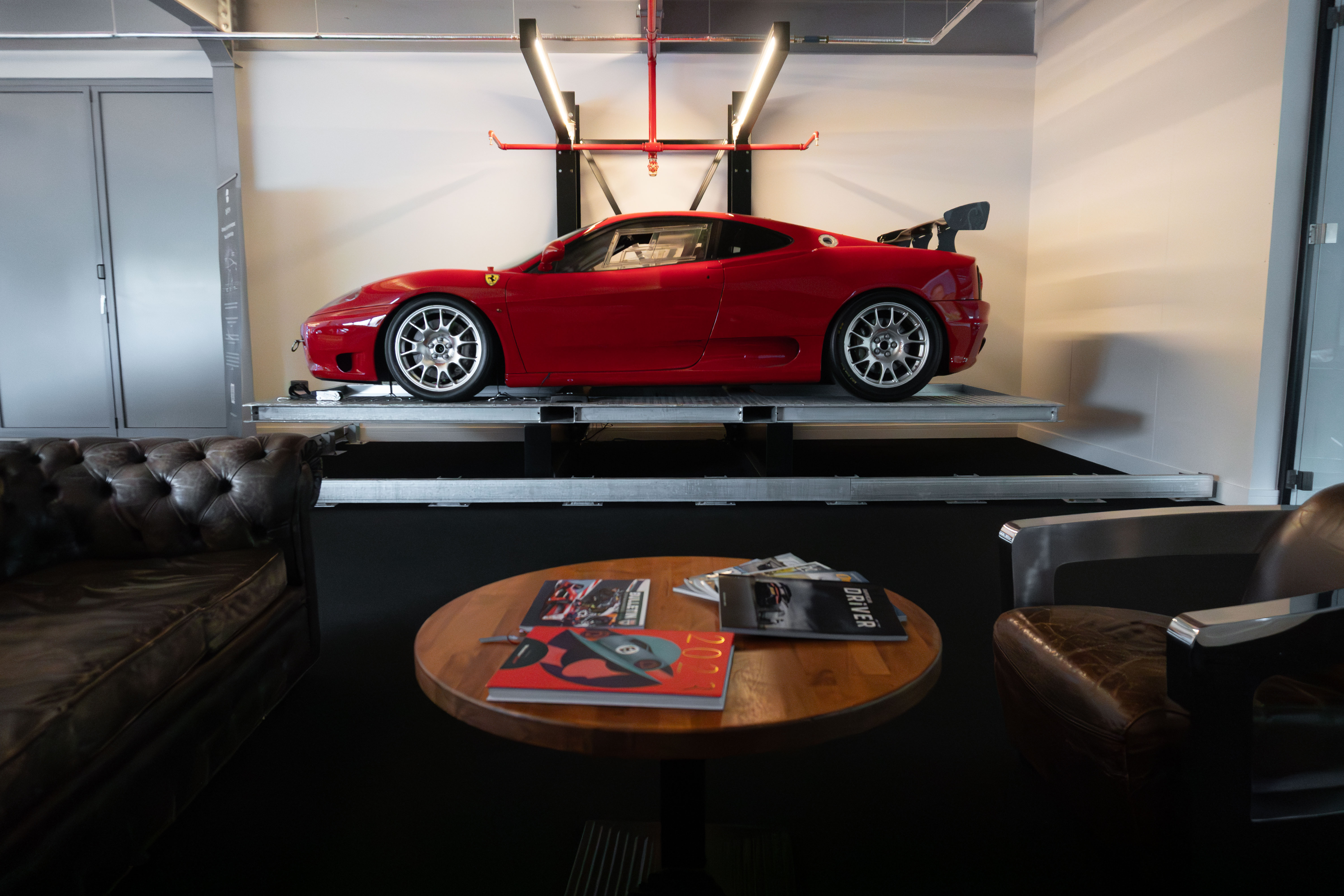
By contrast, Birch’s purpose-built facility reflects the brand’s belief that “you wouldn’t put priceless artwork in a barn, so why would you do it with a car?”. This ethos isn’t a tagline; it is the foundation of Birch’s approach to meticulous, bespoke automotive care.
Climate-Monitored Conditions: Stability Equals Preservation
Birch’s environment is rigorously monitored for both temperature and humidity, ensuring a consistent, stable atmosphere free from the extremes that accelerate corrosion and material degradation. This is not climate control in the colloquial sense — it is a coordinated, insurance-aligned system that removes the two biggest enemies of long-term preservation: moisture and fluctuation.
Lee Sullivan, General Manager at Birch, explains the practical impact:
“When storms like Chandra hit, fluctuations in humidity and temperature are exactly what cause the silent damage — corrosion in wheel wells, foams that never fully dry, and electrical symptoms that only emerge months later. At Birch, our climate-monitored environment eliminates those variables and preserves vehicles as intended.”
This is a profound difference between trusting a corner of the garage and entrusting an asset to a facility designed from the ground up for provenance-grade care.
.jpg)
Fire Suppression, High Security, HMRC Bonded Storage — Built for Extreme Conditions
Flood risk is one dimension of environmental vulnerability. Fire, theft and accidental damage are others. Birch’s class-leading fire suppression system features dual-sprinkler zones and a 90,000 L water reserve — a level of protection unmatched in standard vehicle storage.
Similarly, the high-security infrastructure — including a resilient perimeter, multi-layered access control, extensive CCTV and on-site security officers — ensures that even in times of community disruption, vehicles remain untouched, undisrupted and under daily oversight.
Birch’s HMRC Bonded Storage status further enhances its value for clients who need flexible custody solutions while maintaining compliance with tax and international movement considerations.
Discrete, Trustworthy, Premium — The Birch Standard
Birch is crafted for custodians who demand more than a place to park. Owners and institutions that manage collections of automotive significance understand that true protection is:
- Elite and certified — compliant with insurer expectations and bonded warehousing standards
- Safe and secure — multi-layered security and bespoke protocols
- Meticulous in detail — every vehicle documented, photographed and monitored on arrival
- Discrete and trustworthy — confidentiality and premium service as standard
.jpg)
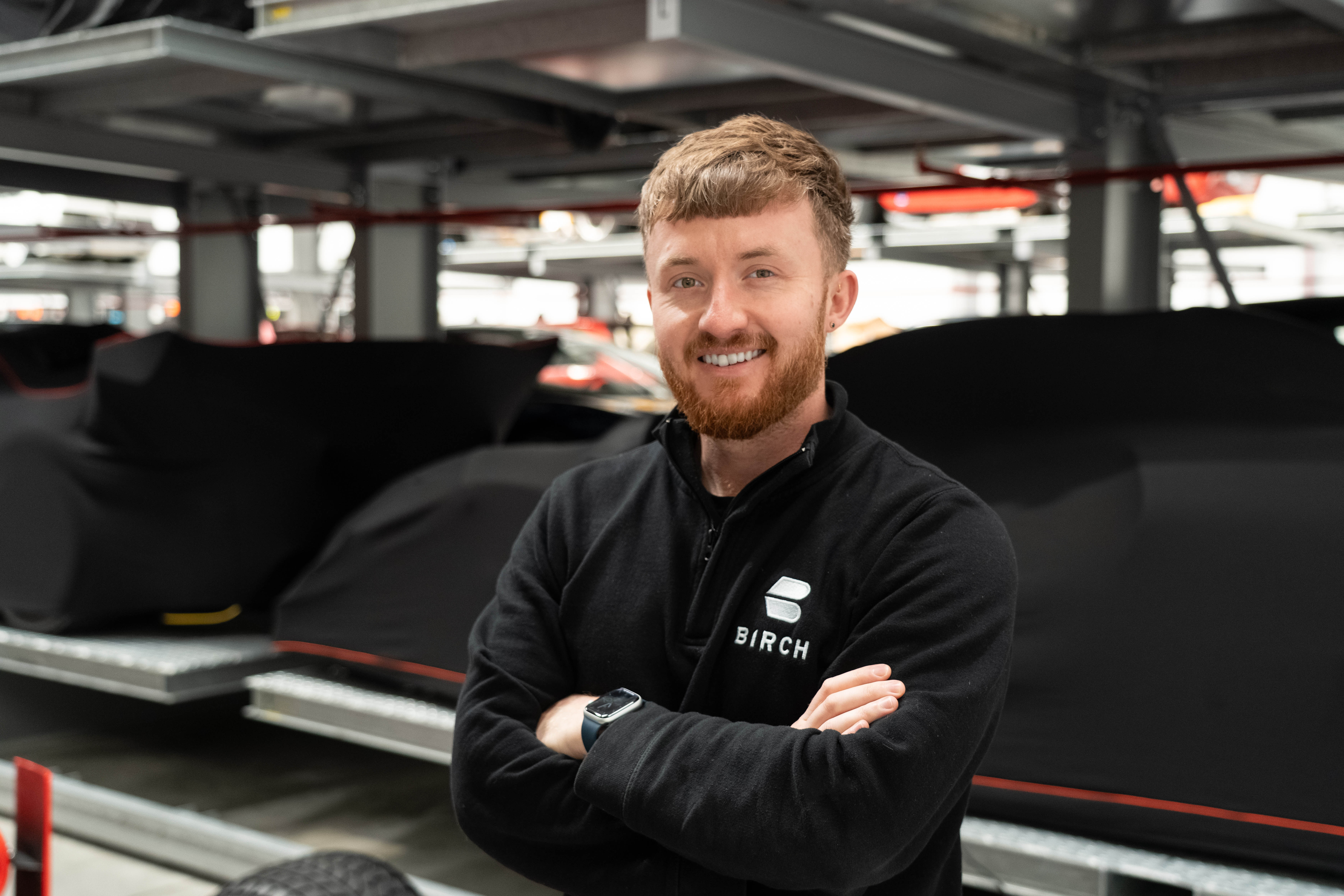
Tom Chilton, Commercial Director at Birch, underscores this ethos:
“Extreme weather like Storm Chandra is a stark reminder that vehicle stewardship must be purposeful. Classic cars, supercars and race cars represent decades of design, engineering and heritage. To preserve them against environmental risk, they need the highest standards of protection — not guesswork.”
The Weather Isn’t a Forecast — It’s a Mandate for Better Protection
The Environment Agency’s flood warnings and the Met Office’s forecasts for wind, rain and snow are not mere news items; they are action triggers. When weather patterns move from occasional to frequent, the question is no longer whether a vehicle might be at risk — it is whether that risk is being actively managed.
For those responsible for vehicles that are more than transport — those that are assets, legacies and investments — the rational choice is clear. Ordinary storage solutions are no longer adequate. What is required is a facility defined by excellence, trustworthiness, meticulous care and security — in short, the Birch standard.
When Britain floods, your car should not.
.jpg)




.jpg)

.jpg)

.jpg)
.jpg)



.jpg)
.jpg)
.jpg)
.jpg)

