
.jpg)
The first laps of a new Formula 1 season always carry a sense of occasion.
At Albert Park in Melbourne, months of engineering work finally meet real asphalt as the world’s most advanced racing machines leave the garages for the first time in competition conditions.
The headlines will focus on lap times, championship contenders and early-season surprises. Yet with the 2026 regulations ushering in a new balance between combustion and electrified power, something else is happening at the same time: the first examples of a new generation of Formula 1 cars are beginning their lives — machines that will one day be recognised not just as racing cars, but as historic artefacts of this era of Grand Prix engineering.
.jpg)
Ferrari appear genuinely quick. Their pace across low-fuel simulations has immediately raised the possibility that the Scuderia may beginthe new era of regulations in a strong competitive position. Mercedes also look quietly confident. The team’s reputation for engineering discipline means its cars often reveal their real strength not through headline lap times but through consistency across longer runs.
Red Bull, meanwhile, remain unusually difficult to read. The team that dominated so many recent seasons rarely shows its full hand during early practice sessions, and the true pace of the car may not become clear until qualifying or the race itself. As ever in Formula 1, the timing screens onlytell part of the story.
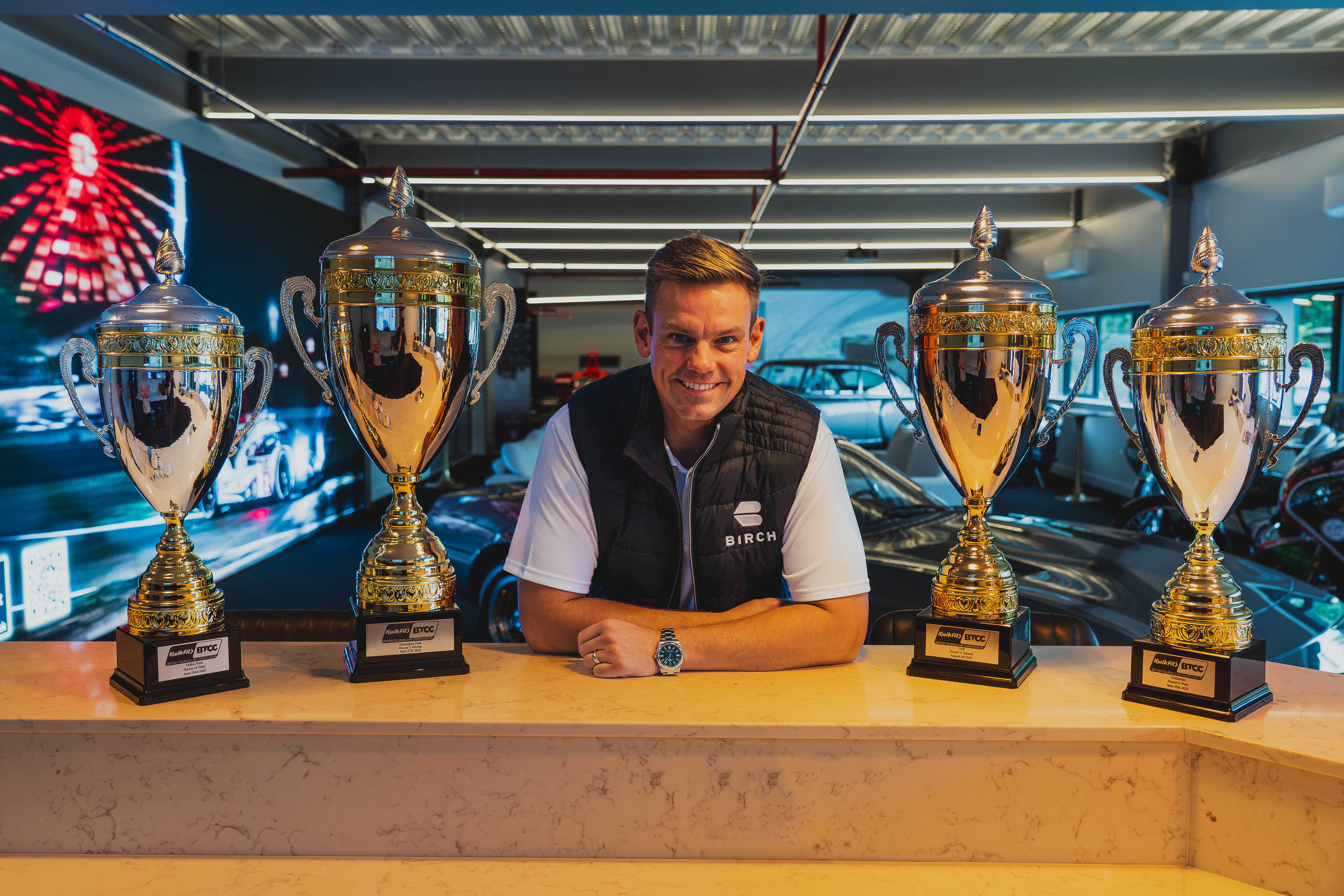
“Drivers and engineers learn a huge amount in those first sessions,” says Tom Chilton, Commercial Director at Birch, whose career spans more than two decades of international motorsport competition. “You’re feeling how the car behaves on the limit, how the tyres react over a run, how stable everything is when you push it. Those details tell you far more than a single quick lap.”
The complexity of that task has increased significantly under the new regulations. For the first time in modern Formula 1 history, the balance of power between combustion and electrification has moved dramatically toward the hybrid system. The internal combustion engine now produces roughly 400 kilowatts, while the electric motor contributes around 350 kilowatts— meaning electrical power represents close to half of the car’s total output.
That change alters the way drivers approach a lap.
Electric torque arrives instantly, making traction management far more delicate than in previous generations of Formula 1 machinery. Drivers must carefully consider where they harvest energy under braking and where they deploy it for acceleration. Circuits such as Albert Park make this particularly visible. Heavy braking zones at Turns 3 and 11 provide opportunities to recharge the battery, while the long acceleration zones that follow tempt drivers to deploy electrical power aggressively.
Managing that cycle efficiently across an entire race distance will become one of the defining skills of the new era.
%20(Large).jpg)
Further down the grid, the season’s early running also highlights the enormous organisational challenges facing Formula 1’s newest participants.
Audi’s arrival as a full works team marks one of the most significant developments of the new regulation cycle. Transforming the former Sauber operation back into a manufacturer-backed programme requires integrating abrand-new power unit with an established chassis organisation — an undertaking that normally takes several seasons to perfect.
Cadillac faces an even steeper climb. Although backed by the immense resources of General Motors, the team is effectively building a Formula 1 operation from the ground up while competing against engineering groups that have spent decades refining their systems. Developing the aerodynamic tools,operational discipline and race-weekend execution required to succeed in Formula 1 is one of the most complex challenges in modern sport.
Then there is Aston Martin.
Few teams have invested more heavily in recent years than Aston Martin. A new factory at Silverstone, a state-of-the-art wind tunnel and high-profile technical leadership have raised expectations dramatically. Yet early running has already highlighted a challenge engineers know can be difficult to resolve: significant vibration originating from the power unit and transmitted through the chassis.
In modern Formula 1 cars the carbon-fibre monocoque is extremely stiff, meaning any oscillation from the engine or hybrid system can travel directly through the structure of the car. When that vibration reaches the cockpit it becomes more than a simple discomfort. It can affect driver feel, disrupt component reliability and complicate the delicate balance engineers are trying to achieve with suspension and tyre behaviour.

“Drivers feel those things immediately,” says Tom Chilton.“If the car is vibrating through the chassis it’s very difficult to build confidence. When you’re trying to operate right on the limit of grip, thatfeedback from the car is absolutely critical.”
For Aston Martin the challenge now lies in isolating and damping the vibration without compromising overall performance — a delicate engineering task that will likely shape the team’s early development programme.
While engineers across the paddock focus on solving theseimmediate challenges, a longer perspective quietly unfolds in the background.
.jpg)
Every major regulation change in Formula 1 eventually produces a generation of cars that historians recognise as particularly significant. The Lotus 49 once represented a revolutionary step in chassis and engine integration. The McLaren MP4/4 defined the turbocharged era of the late 1980s. The early Mercedes hybrid cars reshaped modern Formula 1 dominanceduring the 2010s.
At the time, each of those machines simply appeared to bethe fastest car on the grid.
Only later did they become recognised as historic racing cars.
The same process is already beginning with the currentgeneration of Formula 1 machinery.
When a new season begins, last year’s cars quietly leave the competitive spotlight. Some become show cars, appearing in manufacturer and sponsor displays or museum collections. Others enter historic demonstration programmes. Many move into secure storage as teams preserve them as part of their technical heritage.
Cars that competed only months earlier have already become artefacts of engineering history.
.jpg)
This transition from racing machine to historic object is anatural part of motorsport’s lifecycle. Each generation captures the engineering ideas, technological priorities and competitive philosophies of its time.
The machines currently circulating around Albert Park arewriting that history now.
In years to come, they will be remembered not only for the championship battles they produced, but for the technological moment they represent — the point where Formula 1 embraced a new balance between combustion performance and electrified power.
Today they are racing cars.
Tomorrow they will be historic racing cars.
And preserving them properly ensures that the story of this era of Formula 1 can still be told decades from now.
.jpg)
Storage Services


.jpg)

.jpg)

Storage Services


